November 4, 2026
Homeowners face mechanical failures as their property ages. Your garage door serves as one of the largest moving mechanisms in your house. You rely on this system daily to open and close smoothly. When the mechanism groans or refuses to budge, you confront a common dilemma. You have to decide whether patching up the broken component is sufficient or if investing in a new unit is the smarter path forward.
Making this choice requires looking beyond the immediate inconvenience of a stuck panel. You must evaluate the overall safety of the unit alongside its energy efficiency and operating costs. A simple fix might seem appealing today, but aging parts often trigger a cycle of ongoing maintenance. Well-planned garage door installations can save you money compared to scheduling constant service calls. We'll explore the critical factors you need to consider.
Assessing the Scope of the Damage
Minor physical damage often means a straightforward repair is the most practical choice. If a single panel gets a minor dent, a technician can swap out that specific piece. When a photo-eye sensor stops working on a relatively new system, replacing the broken component resolves the problem quickly. Cosmetic issues like peeling paint usually require minimal effort and money to fix without swapping the whole system.
Severe structural damage changes the equation. If a vehicle backs into the unit and crushes multiple panels, patching the system might not work. Heavy physical impacts often compromise the alignment of the tracks and the lifting mechanism. When the structural framework is bent, attempting a repair can lead to an unreliable system. Scheduling new garage door installations provides a more stable outcome.
The age of your setup plays a vital role in assessing the damage. A system older than 15 years faces frequent component failures due to degradation. Calling a service technician three or four times a year signals a deteriorating system. Sourcing replacement parts for older models becomes difficult and expensive over time. When your system spends more time broken than operational, investing in a new unit is often more practical than hunting down rare hardware.
Evaluating Safety and Security Concerns
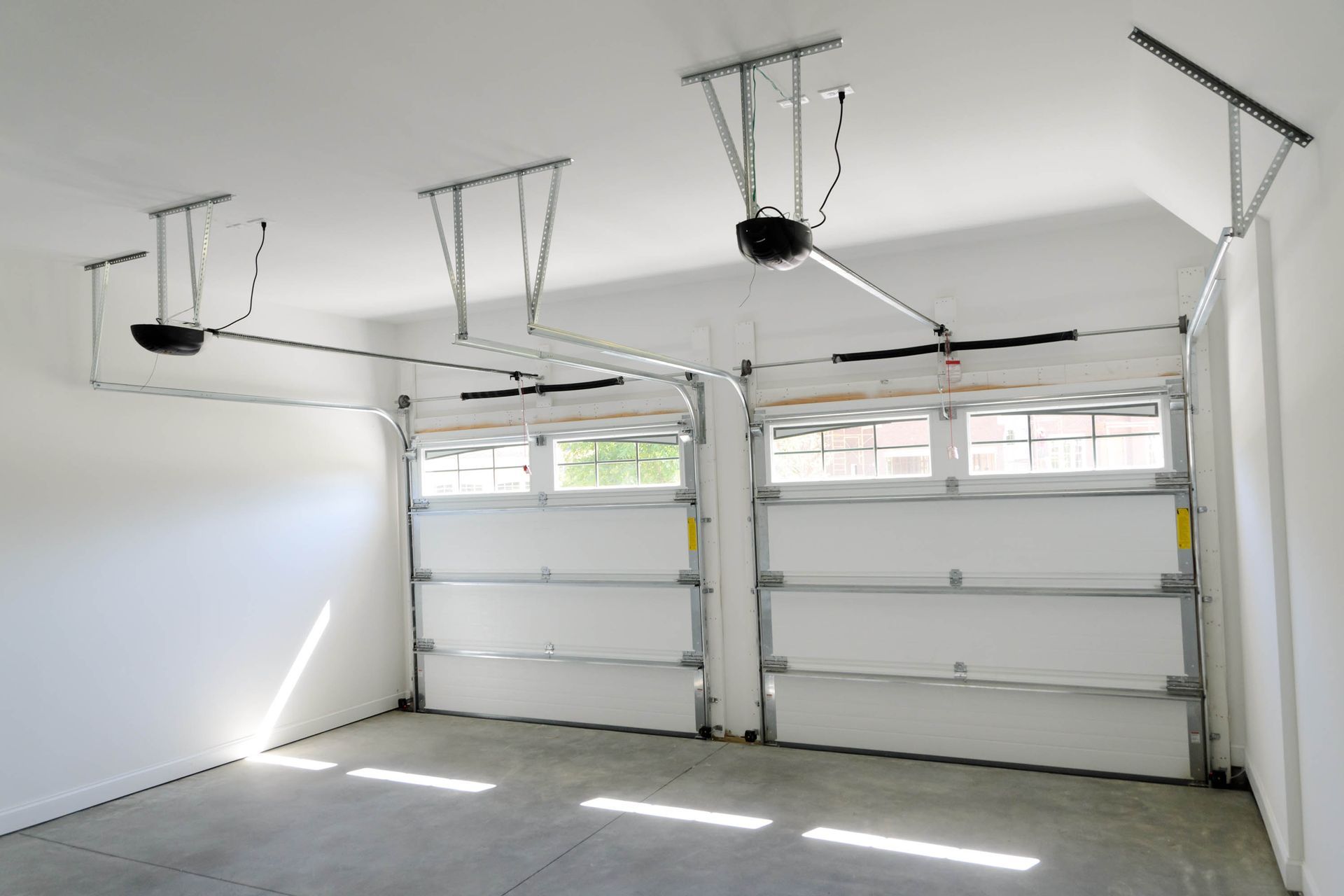
A malfunctioning lifting mechanism creates severe safety hazards. The springs and cables operate under extreme tension to lift heavy panels. If an aging component snaps without warning, the sudden release of tension can cause physical injury or property damage. Modern systems feature advanced safety mechanisms designed to prevent catastrophic failures. Upgraded photo-eye sensors ensure the panels won't close if a person crosses the threshold.
Older setups might lack these vital safety features or rely on outdated technology that fails frequently. Upgrading your system ensures you have the latest auto-reverse mechanisms and highly secure tracks. Safety should always remain a priority when you deal with heavy residential machinery. If your current unit hesitates or closes unevenly, it poses a daily risk. Removing an unpredictable mechanism removes the anxiety of wondering if the panels will fall.
Security stands out as another vital factor you must consider. Thieves target weak access points to gain entry into a residential property. If your current unit feels flimsy or fails to lock firmly against the ground, replacement is often the safest choice. Recent garage door installations typically include advanced rolling code technology. This digital security feature changes the access code every time you use the remote, stopping criminals from duplicating your signal and offering greater peace of mind.
Calculating Costs and Long-Term Value
Financial considerations usually drive the final decision for most property owners. A minor mechanical fix will cost less upfront than purchasing a full replacement system. You must weigh this initial financial saving against the likelihood of future component failures. Spending a few hundred dollars to fix a roller makes sense for a system that's only a few years old. But spending that amount on an aging unit might be a poor investment, because another part will likely break soon.
The wear and tear on crucial lifting components adds up quickly over the years. According to The Spruce, most new garage door springs last seven to 14 years on average. If your springs are nearing the end of their anticipated lifespan, you might face another expensive service call very soon. Replacing multiple aging parts piecemeal eventually exceeds the cost of buying a new setup. You must calculate projected maintenance costs.
Energy efficiency heavily influences the long-term value of your decision. Older uninsulated models allow ambient heat and winter cold to transfer into your home easily. This poor insulation forces your heating and cooling equipment to work harder, driving up your monthly utility bills. Modern units often feature high-quality insulation that regulates the temperature inside your home. This thermal boundary keeps your utility costs manageable throughout the seasons.
You also need to calculate the anticipated return on investment for your property. Professional garage door installations offer one of the highest returns on investment for standard home improvement projects. The long-term financial savings on monthly energy bills and eliminated service fees offset the initial purchase price. When you factor in the added reliability and reduced maintenance stress, a full upgrade proves to be the wiser financial decision.
Weighing the Aesthetic and Curb Appeal Benefits
Your home exterior creates a vital first impression for visitors and potential buyers. The garage usually occupies a significant portion of your front facade, meaning its condition heavily dictates your overall curb appeal. A peeling, rusted, or heavily dented unit drags down the visual aesthetic of your property. While mechanical repairs address functional problems, new garage door installations do much more to improve a worn and weathered exterior.
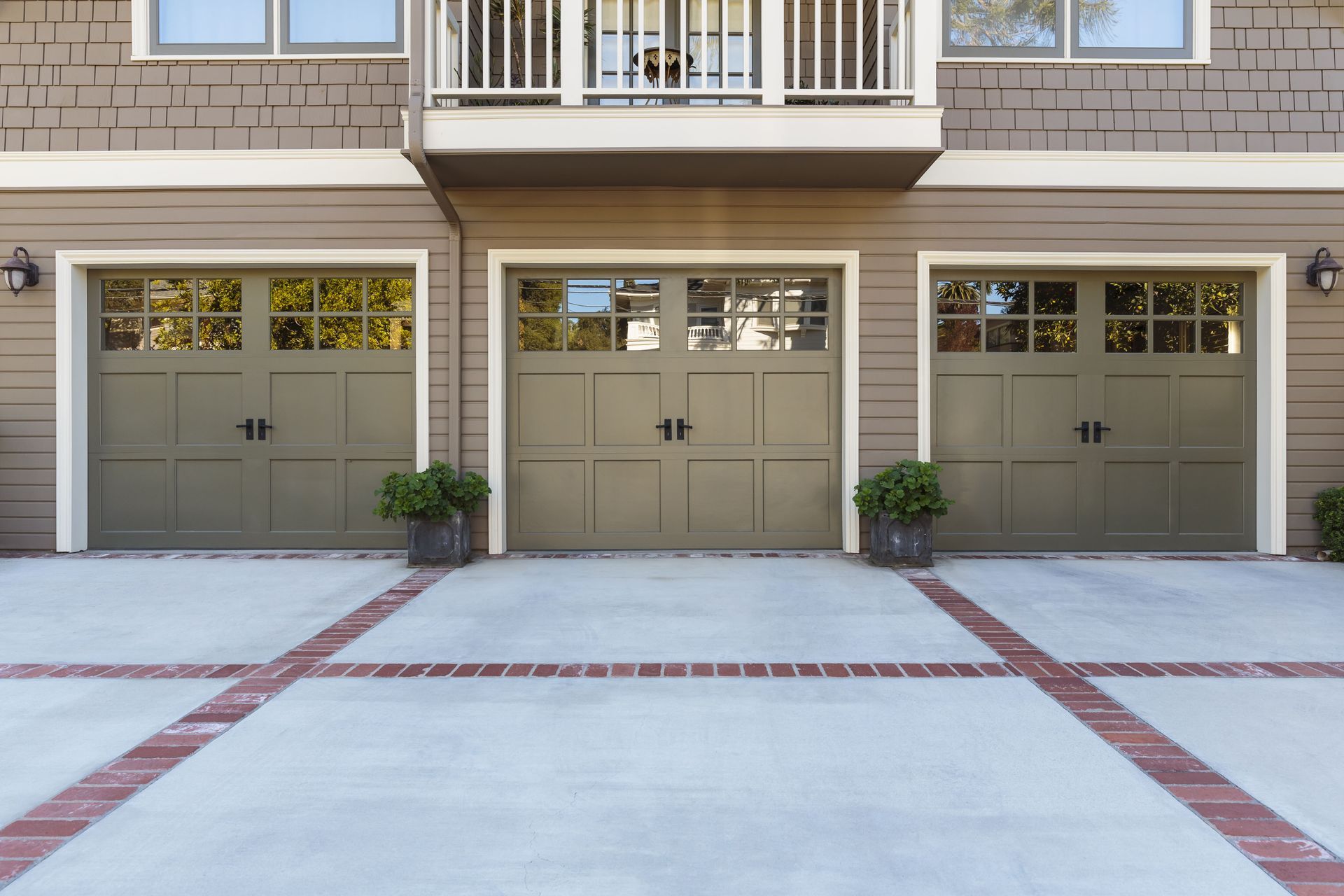
Trying to match fresh paint on a single replaced panel to older faded panels often looks uneven. It's nearly impossible to blend a new section with sections altered by years of harsh sun exposure. Choosing a full replacement also lets you update your home's architectural style. You can select modern materials, custom window inserts, and colors that beautifully complement your existing siding or classic brickwork. A quality replacement instantly transforms the exterior and makes your property stand out positively in the neighborhood. You can shift from a basic standard look to an elegant carriage house style in an afternoon.
Improved curb appeal directly influences your overall property value. If you plan to sell your home within a few years, potential buyers will notice a fresh and stylish exterior. A beautiful modern unit signals to buyers that the home is well maintained and ready for them to move in without extra work. This aesthetic upgrade offers financial rewards when it comes time to list your house on the market.
Deciding between a quick mechanical fix and a full system upgrade requires careful thought and evaluation. You should balance the extent of the damage with your safety needs and household budget. While a minor repair makes good financial sense for a relatively new system, older and failing units often demand a more comprehensive solution. Ignoring chronic mechanical issues will lead to higher expenses down the road.
Taking the time to assess all these critical factors ensures you make a smart investment for your property. Whether you swap out a single faulty sensor or schedule comprehensive garage door installations, your final choice should improve your daily routine. A reliable, secure, and visually attractive system provides long-lasting convenience for your family. By weighing your options carefully, you'll secure a beautiful home exterior that operates flawlessly.
Reach out to Quality Door today to learn more about our garage door installations and find the perfect upgrade for your home.