October 5, 2026
A reliable overhead entryway is an essential component of modern residential convenience, providing security, climate protection, and effortless daily access to vehicles and stored belongings. When an automatic entryway suddenly refuses to open or close properly, daily routines are immediately thrown into complete disarray. Understanding the underlying mechanical issues that lead to sudden failures can help homeowners address minor complications before they evolve into severe structural damage or expensive replacement projects. Heavy daily usage, harsh weather factors, natural physical wear, and inadequate maintenance routines all contribute to mechanical performance deterioration over extended periods. Identifying common warning signs early allows property owners to take prompt corrective action, ensuring their personal access systems remain safe, quiet, and fully functional. By learning what causes these complex overhead mechanical systems to halt unexpectedly, individuals can make informed decisions regarding routine system maintenance, essential component care, and timely professional intervention.
Addressing Broken Springs
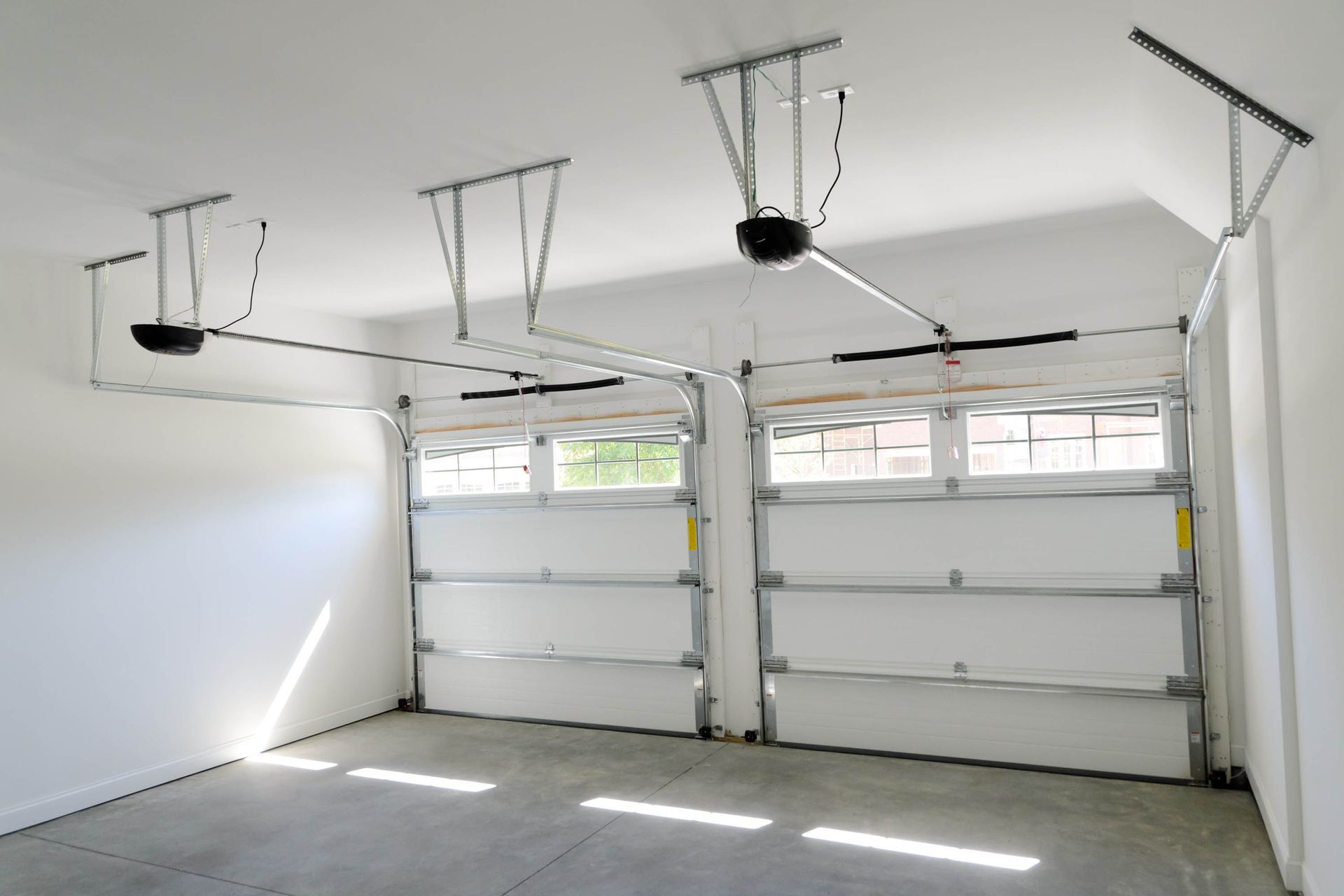
Counterbalance springs support the tremendous physical weight of heavy entryway panels, making automatic lifting smooth and effortless for residential opening mechanisms. Because these tightly wound steel components endure immense physical tension during every opening and closing cycle, progressive metal fatigue eventually causes them to snap without warning. When a primary coil snaps, the entire lifting mechanism loses its physical balance, rendering the automatic opener completely incapable of raising the heavy panel. Attempting to force an automatic operator motor to lift a heavy panel with broken balance components can burn out internal motor gears or cause severe structural bending along the panel sections. Homeowners encountering this severe physical failure must seek professional garage door spring repair to restore safe mechanical balance and smooth operational movement to the system.
Regular inspection and timely maintenance play a vital role in extending the operational lifespan of these heavy-duty mechanical coils and preventing unexpected household disruptions. Environmental moisture, dramatic temperature fluctuations, and lack of proper surface lubrication accelerate physical friction, leading to premature metal degradation and sudden structural failure. According to Men's Journal, garage door springs should receive a tune-up at least once per year. Timely inspections allow trained service technicians to assess overall tension levels, apply specialized anti-friction lubricants, and perform delicate balancing adjustments before severe structural damage occurs. Investing in timely garage door spring repair ensures that high-tension components remain properly balanced, preventing unexpected operational shutdowns and preserving overall household system safety.
Adjusting Misaligned Sensors
Modern automatic entryways rely on photoelectric safety sensors positioned near the base of vertical guide rails to prevent heavy panels from closing down on vehicles, family pets, or passing pedestrians. These compact infrared units project an invisible optical beam across the lower entryway threshold, continuously monitoring the physical path for unexpected obstacles during movement. If an object breaks the invisible light beam, or if individual sensor units become bumped out of precise alignment, the automatic opener immediately halts downward movement and reverses direction. Property owners frequently mistake this crucial safety response for a catastrophic mechanical drive failure when the system is simply performing its intended protective function.
Accumulations of outdoor dust, spider cobwebs, blowing leaves, or direct sunlight glare can obscure optical lenses, causing the safety system to detect false physical obstructions continuously. Gently wiping the optical lenses clean with a soft cloth and verifying that indicator lights stay solid often resolves basic sensor alignment complications. However, if mounting brackets become bent or wiring connections degrade over extended periods, consistent panel operation becomes impossible without professional calibration. Ensuring that safety sensors remain clean and properly aligned prevents unexpected operational interruptions while keeping family members, domestic pets, and personal property fully safe from accidental physical impact.
Replacing Damaged Cables
Lifting cables work directly alongside high-tension counterbalance coils to transfer rotational physical force and smoothly raise heavy overhead panels along vertical tracks. Manufactured from heavy braided steel strands, these high-strength lifting cables endure continuous physical stress and heavy structural weight loads during everyday operation. Over extended periods of continuous use, individual steel strands can fray, rust from atmospheric humidity, or unwrap from metal storage drums, severely compromising overall structural integrity. If a lifting cable snaps entirely, the heavy entryway panel tilts diagonally within the guide channels, jamming the entire mechanism and creating severe physical hazards for nearby occupants.
Operating an overhead panel with frayed or misaligned lifting cables places dangerous physical pressure on surrounding hardware components, including track channels, roller bearings, and counterbalance assemblies. When homeowners notice frayed steel strands, rust accumulation, or loose cable loops near lower mounting brackets, immediate professional assistance is necessary to prevent catastrophic structural failure. Service technicians often perform professional garage door spring repair alongside cable replacement procedures, as these interconnected lifting systems rely on identical physical tension dynamics. Maintaining intact lifting cables prevents sudden panel collapses, eliminates dangerous physical imbalances, and guarantees smooth vertical movement during daily operations.
Repairing Broken Operators
The automatic operator serves as the central electronic brain and motor drive unit for modern overhead entryway systems, translating remote electronic signals into physical mechanical movement. Inside the operator housing, internal drive gears made from synthetic materials or metal turn drive chains, reinforced belts, or threaded screw drives to move heavy panels smoothly. Over long periods of heavy daily use, internal drive gears can strip or wear down, leaving the electric motor humming loudly without producing any physical panel movement. Unexpected electrical power surges, control board failures, and worn drive belts can also prevent the operator from initiating mechanical opening cycles.
When an operator motor runs continuously without moving the panel, or when remote control transmitters fail to signal the receiver unit, internal electrical or mechanical operator failure is often present. While basic issues like depleted transmitter batteries or tripped electrical circuit breakers can be resolved easily, internal motor repairs require specialized technical knowledge and proper diagnostic tools. When operator failures occur alongside high-tension coil degradation, comprehensive garage door spring repair may be necessary to ensure that mechanical weight loads do not strain the replacement operator motor. Protecting operator mechanisms ensures consistent electronic responsiveness, quiet motor performance, and smooth panel movement.
Clearing Obstructed Tracks
Vertical and horizontal guide channels direct the smooth movement of metal rollers attached along the sides of heavy entryway panels during every operational cycle. If these metal guide channels become bent, misaligned, or clogged with environmental debris, side rollers cannot slide freely, causing the entire panel assembly to bind or stop completely. Dirt, hardened grease, small pebbles, and foreign objects frequently accumulate inside lower track channels, creating physical barriers that prevent full panel travel. Even minor structural dents caused by accidental vehicle impacts can cause side rollers to pop out of place, halting movement instantly.
Regular visual inspections and routine cleaning of metal guide channels help maintain smooth roller travel and prevent unexpected mechanical binding during daily use. Removing old grease accumulations and wiping down inner track surfaces prevents foreign debris build-up from placing excessive physical strain on surrounding lifting mechanisms. When tracks become severely warped, misaligned, or separated from wall studs, professional adjustment is necessary to realign guide rails accurately. Combining proper track maintenance with routine garage door spring repair ensures that every mechanical component operates in perfect harmony, delivering quiet, reliable, and effortless access every day.
Understanding the primary factors that cause overhead entryway systems to stop functioning allows property owners to take proactive measures before minor operational issues result in major structural damage. From broken counterbalance coils and misaligned safety sensors to frayed lifting cables, operator failures, and clogged guide tracks, timely attention to warning signs preserves long-term equipment reliability. Prioritizing routine inspections, proper surface lubrication, and professional garage door spring repair ensures that every part of your access system functions safely, quietly, and efficiently. By addressing mechanical wear promptly, homeowners can avoid unexpected household disruptions, extend total equipment lifespan, and maintain effortless daily access to their homes. If you are experiencing issues with your overhead access system and need reliable expert assistance, please reach out to our team at Quality Door.